Conversations with Steve Reich
The revolutionary composer has conversations with important figures in the arts, but we will have to wait for the full memoirs

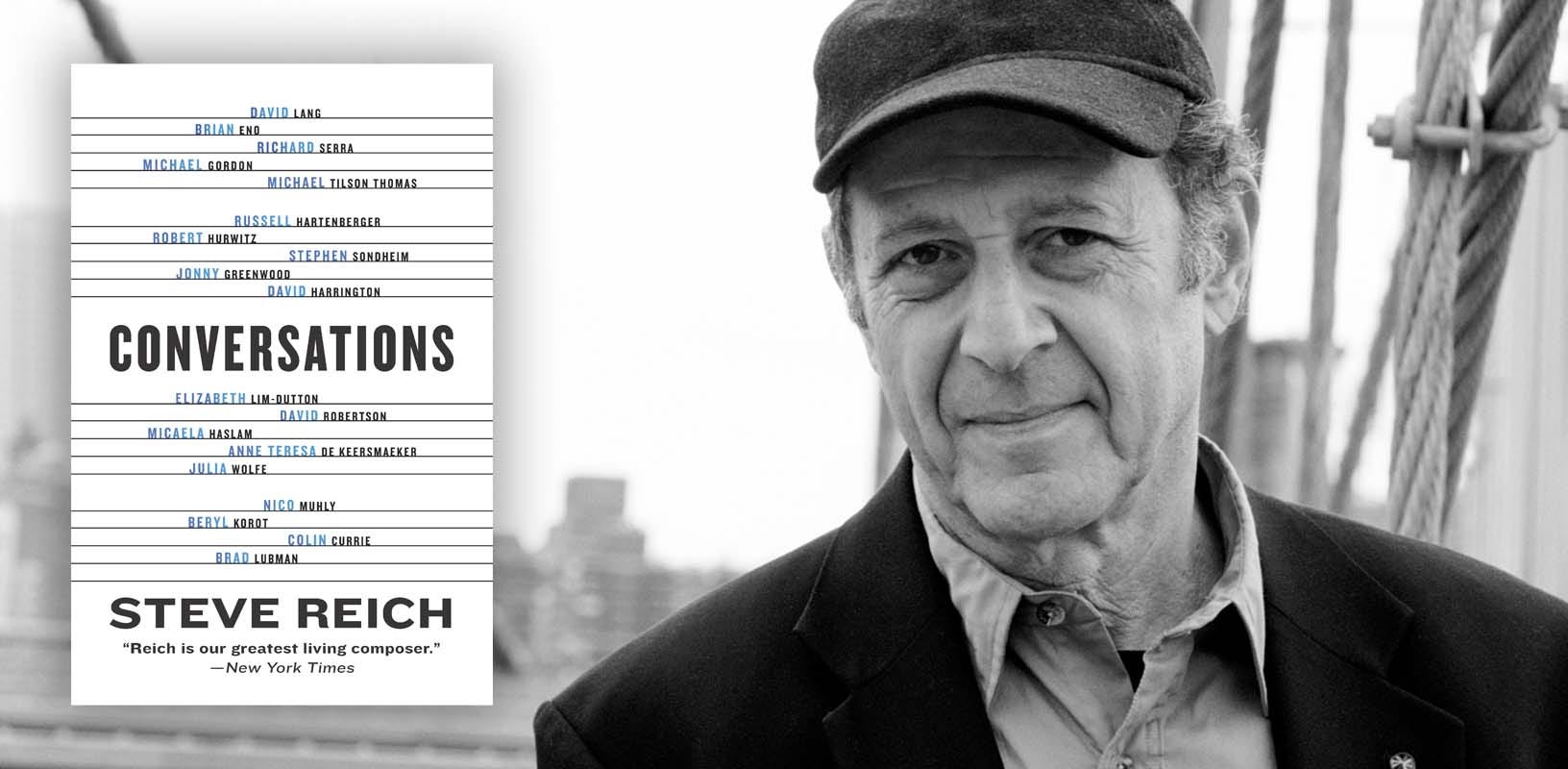
In the introduction to Steve Reich’s Conversations (Hanover Square Press, 2022), he notes that he was inspired by conductor Robert Craft’s book, Conversations with Igor Stravinsky. Craft’s book is a masterclass into the mind of a composer, the composer’s process, his thoughts on all things music, and - perhaps most importantly - how to ask the right questions. It reads almost like a skeptical analyst challenging his patient:
Robert Craft (RC): What is theory in musical composition?
Igor Stravinsky (IS): Hindsight. It doesn’t exist.RC: Do musical ideas occur to you at random times of the day or night?"
IS: They occur to me while I’m composing.Conversations with Igor Stravinsky (pg. 12-13)
Though both Craft’s and Reich’s books are similar in that they consist mainly of transcriptions of conversations, there is a fundamental difference between them: Robert Craft wanted to write a book about someone else, while Steve Reich wanted to write a book about Steve Reich. This is not to say that Steve Reich is unworthy of writing a book about himself and people’s reactions to his work - far from it. Reich is a musical and artistic phenom and remains one of the most influential and successful composers of the twentieth century. Another Steve Reich book written by Steve Reich is an absolute necessity. I’m just not sure Conversations is it.
Where Craft was the sole steward of his conversations with Stravinsky, Reich’s book passes the baton around to nineteen prominent figures in the arts including conductor Michael Tilson Thomas, composer Nico Mushly, and a particularly endearing Johnny Greenwood of Radiohead. With the exception of the chapter with Stephen Sondheim (which is a transcription of a Lincoln Center conversation from 2015), all of the conversations took place via Zoom during the pandemic. But even with Zoom technology - a total godsend, especially during the last two years - the dynamic and flow of a conversation is not the same through a screen as it is in person. The conversations in Conversations read a bit like this where a feeling of taking turns without a sense of a real exchange is present (though some certainly fare better than others).
“As to what I would call what I do, I have no name for it other than ‘music.’”
- Steve Reich, Conversations, pg. 238
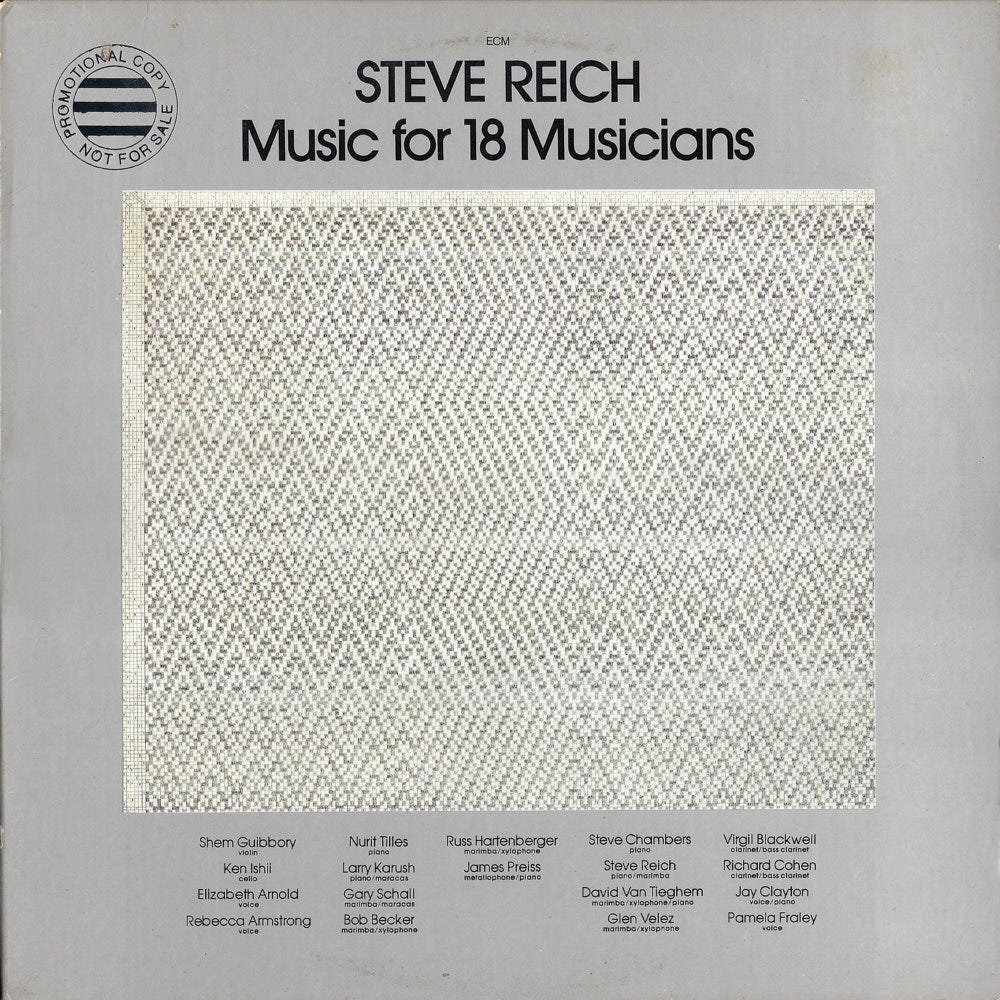
None of this is to say that Conversations is not worth its time. There are some real gems, in particular when the “interviewers” speak to their own experience. Brian Eno, British composer of electronic music, provides a fascinating mini-treatise about his “Generative Music,” music that is always changing. Michael Tilson Thomas’ section seemed to be among the most candid of the bunch discussing his role as a conductor and the logistical difficulties of some of Reich’s pieces. (Thomas’ line is among the truest I have read when he says, “I think a lot of the time what a conductor does is to confirm things that are happening.”) Radiohead’s Johnny Greenwood’s stories about his Israeli wife and children are particularly charming. The section with contemporary choreographer Anna Teresa de Keersmaeker about Reich’s moving away from aleatoric - or “chance” - music is an illuminating insider’s view of the evolution and struggle of twentieth century musical conventions.
“I think a lot of the time what a conductor does is to confirm things that are happening.”
- Michael Tilson Thomas, Conversations (pg. 89)
Conversations seems to be a book not just written by and about Steve Reich and his work, but for Steve Reich. And that’s just fine. It is a view of modern classical music and some of the tribulations of working out a new piece musically and logistically from behind the curtain that does not glorify any of it. Though many composers learn to negotiate some of these challenges very quickly - even in music school, they would be wise to look to Reich’s insistence on collaboration with all facets of the arts, and Conversations gives that glimpse.